

The Hidden Dangers of Driving with Snow-Covered Lights
The Hidden Dangers of Driving with Snow-Covered Lights
Winter driving comes with its own set of challenges, and one often-overlooked issue is snow-covered headlights and taillights. Snow can block your lights, making it harder for you to see and for others to see you. This increases the risk of accidents, especially on slick roads.
Let’s explore the hidden dangers of driving with snow-covered lights. You’ll learn why it’s important to keep your lights clear, how snow impacts visibility, and tips to stay safe on winter roads. Let’s get started!
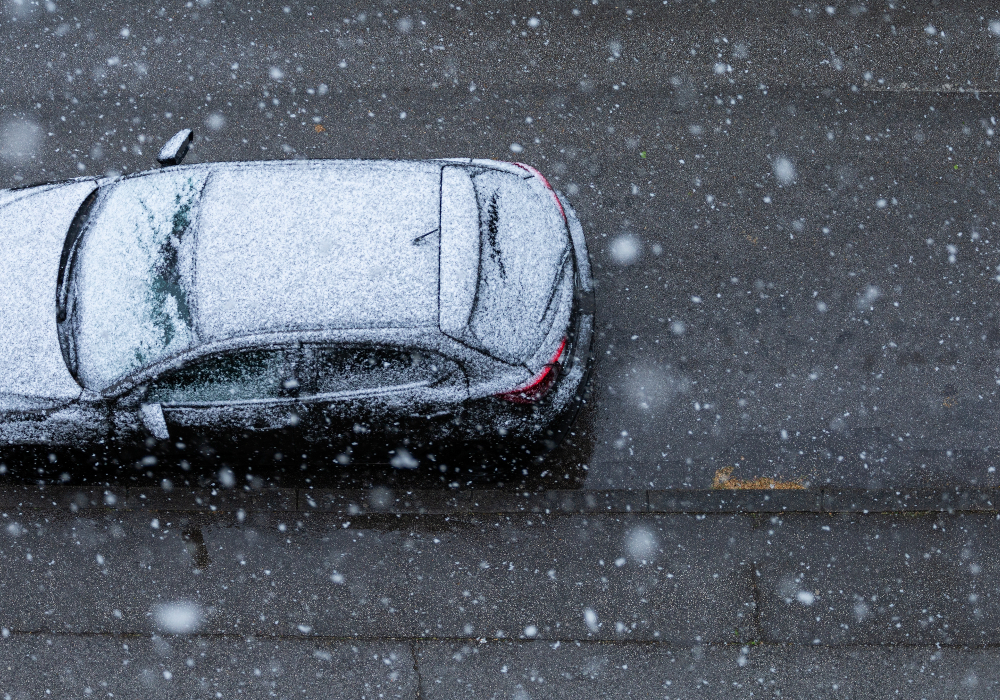
Why Snow-Covered Lights Are Dangerous
Snow on your lights doesn’t just block your view; it also makes your car less visible to others. This is especially risky in poor road conditions or during heavy snowfall.
Blocked lights reduce the effectiveness of your headlights, brake lights, and turn signals. This can lead to accidents, as other drivers may not see your car in time. Keeping your lights clear is important to avoid driving into danger.
How Snow Affects Visibility
Snow-covered lights scatter light instead of focusing it on the road. This reduces your ability to see obstacles, pedestrians, or other vehicles. On slick roads, this lack of visibility can cause you to lose traction and control.
Clearing your lights before driving ensures you can see clearly and react quickly to changing conditions. It’s a simple step that can prevent serious accidents.
The Impact on Other Drivers
When your lights are covered in snow, other drivers can’t see your signals or brake lights. This increases the risk of rear-end collisions, especially in heavy traffic or poor weather.
Clear lights help other drivers understand your actions, making the road safer for everyone. Don’t underestimate the importance of visibility in winter driving.
Tips to Keep Your Lights Clear
Follow these four tips to get you safe in winter:
1. Check Your Lights Before Driving
Always inspect your headlights, taillights, and turn signals before hitting the road. Remove any snow or ice to ensure they’re fully visible.
2. Use a Soft Brush or Cloth
Avoid scratching your lights by using a soft brush or cloth to clear snow. This keeps your lights clean and functional without causing damage.
3. Apply a Protective Coating
A light coating of wax or anti-fog spray can prevent snow and ice from sticking to your lights. Reapply as needed during the winter season.
4. Park in a Covered Area
Whenever possible, park in a garage or under a carport to reduce snow buildup on your vehicle. This saves time and effort before driving.
Stay Safe with Speedy G Towing
At Speedy G Towing, we understand the challenges of winter driving. From heavy-duty towing to 24/7 roadside assistance, we’re here to help you stay safe on the road.
Our team offers services such as battery jump starts, flat tire repairs, and fuel delivery to keep you moving. With over 25 years of experience, we’re committed to providing fast, reliable, and professional support.
Frequently Asked Questions
- Why are snow-covered lights dangerous?
They block visibility, making it harder for you to see and for others to see your car.
- How often should I check my lights in winter?
Check your lights before every drive to ensure they’re clear of snow and ice.
- Can snow damage my lights?
Snow itself doesn’t damage lights, but ice and improper cleaning tools can cause scratches.
- Does Speedy G Towing offer winter services?
Yes, we provide 24/7 roadside assistance, including towing and light repairs.
- What’s the best way to clear snow from lights?
Use a soft brush or cloth to gently remove snow without scratching the surface.